
Sustainable Farming Initiatives

At Fortune Express, we are committed to sustainable agriculture, ensuring that our farming practices protect the environment and support long-term agricultural productivity. Our Sustainable Farming Initiatives focus on integrating eco-friendly practices throughout every stage of farming, from renewable energy use to waste management and carbon footprint reduction. By implementing these initiatives, we help growers adopt practices that not only improve efficiency but also contribute to the health of our planet.
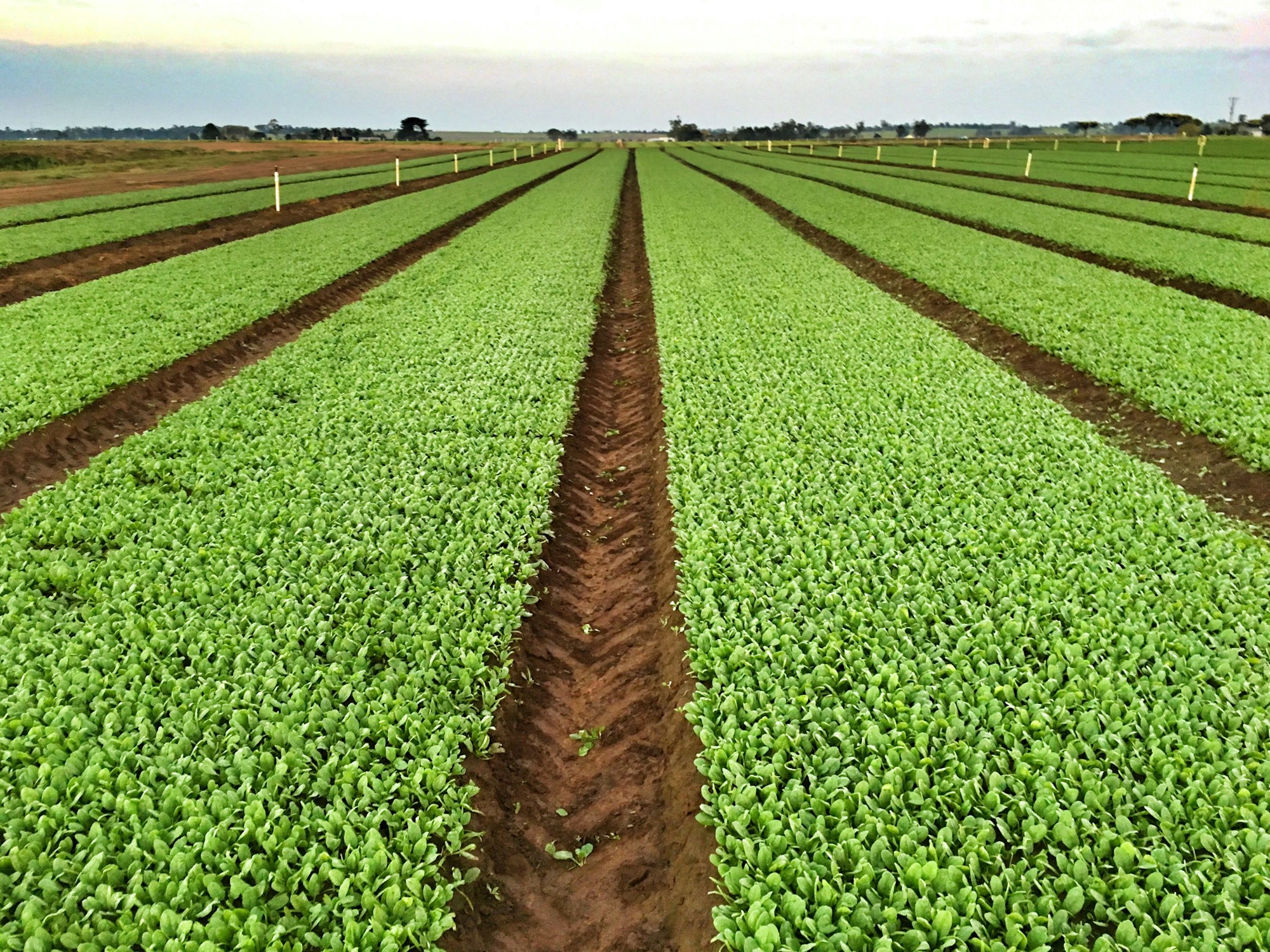
Salad farm. Sustainable development.

How We Work

Sustainable Farming Initiatives

At Fortune Express, our commitment to sustainable agriculture ensures that our farming practices protect the environment while fostering long-term productivity. Through our Sustainable Farming Initiatives, we integrate eco-friendly methods into every stage of farming—from utilizing renewable energy and efficient waste management to reducing the carbon footprint of operations.

These initiatives enable growers to adopt practices that enhance efficiency and support environmental health. By promoting sustainable methods, we help farmers achieve productive yields that are both economically and ecologically viable, contributing to a healthier planet and a more resilient agricultural future.

Utilizing renewable energy on farms reduces reliance on fossil fuels and lowers greenhouse gas emissions, promoting cleaner and more sustainable operations.

  • Solar Power: We encourage the use of solar panels to power irrigation systems, lighting, and machinery, providing a sustainable and cost-effective energy source.
  • Wind Energy: For farms in suitable regions, we explore the option of small wind turbines to generate electricity, contributing to a renewable energy mix.
  • Bioenergy: We support using agricultural waste to produce bioenergy, converting by-products into valuable energy sources that can power farm operations.

Efficient waste management is essential for maintaining a clean environment and reducing pollution. Our waste management practices are designed to minimize waste, recycle resources, and ensure proper disposal.

  • Composting Organic Waste: Organic waste, such as crop residues and manure, is composted to create natural fertilizers, reducing the need for chemical inputs and enriching the soil.
  • Recycling Water: We implement water recycling systems that allow farms to reuse water from irrigation and processing, conserving water and reducing waste.
  • Plastic Reduction and Recycling: By reducing the use of single-use plastics and promoting recycling, we help minimize plastic waste on farms, supporting a cleaner environment.

Reducing the carbon footprint of farming operations is crucial for combating climate change and promoting sustainability. Our carbon management strategies focus on minimizing emissions from field to market.

  • Efficient Machinery Use: By optimizing machinery usage and maintenance, we reduce fuel consumption and emissions, improving overall efficiency.
  • Low-Emission Fertilizers: We recommend low-emission fertilizers and encourage precision application to reduce greenhouse gases from fertilization processes.
  • Soil Carbon Sequestration: Through practices such as cover cropping and reduced tillage, we support soil carbon sequestration, which captures carbon dioxide and stores it in the soil.

Sustainable farming requires careful water management to protect this vital resource. We implement conservation techniques that minimize water use while ensuring crops receive adequate moisture.

  • Precision Irrigation: Using advanced irrigation systems, such as drip and micro-sprinkler systems, we ensure water is applied efficiently, reducing wastage.
  • Rainwater Harvesting: We encourage rainwater harvesting systems to capture and store rainwater, providing an additional water source during dry periods.
  • Soil Moisture Monitoring: By using soil moisture sensors, we monitor water levels and adjust irrigation accordingly, preventing overuse and conserving water.

Supporting biodiversity and soil health is fundamental to sustainable farming. Our practices are designed to protect the natural ecosystem, ensuring farms are resilient and productive.

  • Cover Cropping: We promote cover cropping to improve soil fertility, prevent erosion, and support beneficial insects that contribute to a balanced ecosystem.
  • Agroforestry and Habitat Preservation: Integrating trees and preserving natural habitats on farms encourages biodiversity, providing habitats for pollinators and wildlife.
  • Organic Soil Amendments: Using organic soil amendments, we improve soil health and encourage microbial activity, which supports sustainable crop growth and soil structure.

Why Choose Fortune Express for Sustainable Farming Initiatives?

Fortune Express believes that sustainable agriculture is the future of farming. Our Sustainable Farming Initiatives offer growers:

  • Renewable energy options to reduce dependence on fossil fuels
  • Waste management and recycling solutions that minimize environmental impact
  • Carbon footprint reduction strategies for eco-friendly operations
  • Water conservation techniques to preserve this precious resource
  • Biodiversity and soil health practices that promote a resilient ecosystem

By partnering with Fortune Express, growers can adopt sustainable farming practices that not only improve their farm’s productivity but also contribute to the well-being of the environment. Our commitment to sustainability ensures that every farm operation supports a greener, more responsible future in agriculture.